
The Importance of Hebrew Translation: Why Hebrew Language Matters
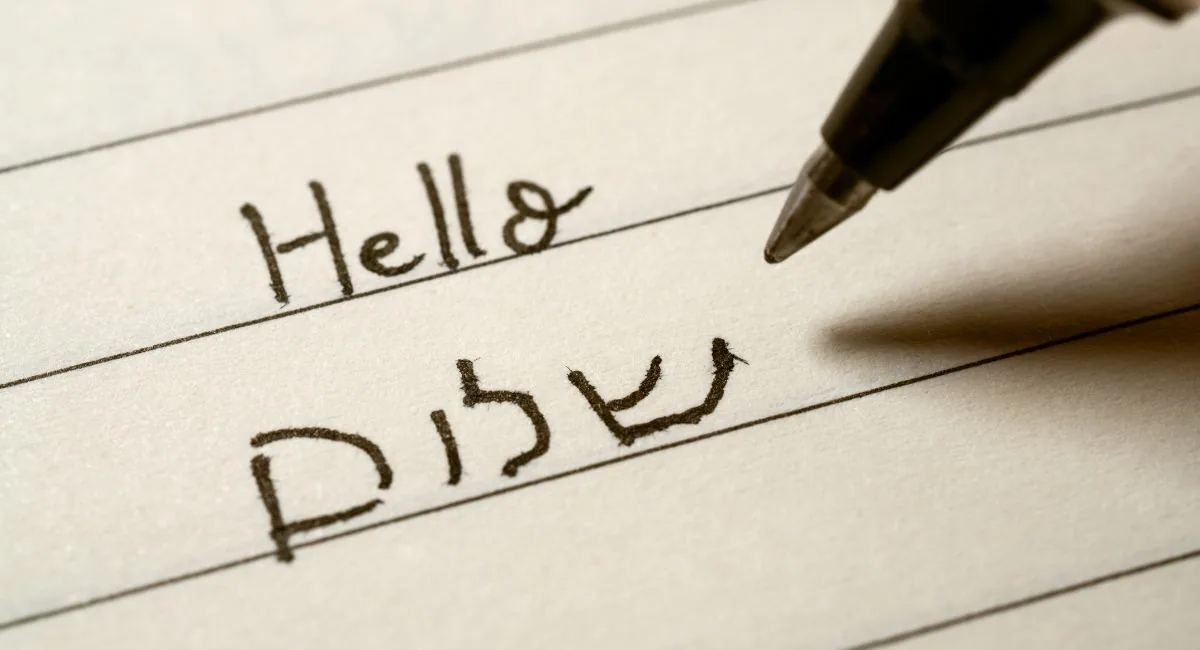
The matching service: תרגום שפות
The Hebrew language is more than just a means of communication; it’s a vital connection to a rich cultural, historical, and religious heritage. In a globalized world where cross-cultural communication is key, Hebrew translation plays a critical role in bridging gaps and fostering understanding. Whether for businesses, academic institutions, or individuals, translating into Hebrew is essential for meaningful engagement with Hebrew-speaking audiences. Here’s why Hebrew translation matters and why it’s an investment worth making.
📩 If this service is relevant to you, click and get "10% off" for an attractive price quote!
Why Hebrew Language Is Important
1. A Language with Deep Roots Hebrew is one of the world’s oldest languages, serving as the foundation for sacred texts, historical documents, and cultural expressions. Today, it’s not only the official language of Israel but also a bridge to Jewish heritage worldwide. Emphasizing the importance of Hebrew in translation means respecting and preserving its unique role in global history.2. The Growth of Hebrew-Speaking Communities While Hebrew is primarily spoken in Israel, its influence extends far beyond its borders. Millions of people in Jewish communities around the world use Hebrew for religious, cultural, and educational purposes. Translating into Hebrew allows businesses and organizations to connect with these communities on a deeper level.3. Israel as a Global Hub Israel’s economy is thriving, particularly in the tech, agriculture, and medical industries. As one of the world’s most innovative countries, it attracts global partnerships and investments. Companies looking to engage with Israeli markets need accurate Hebrew translation to establish credibility and build trust.
The Importance of Hebrew Translation
1. Cultural Relevance Language carries the essence of a culture. Translating content into Hebrew ensures that messaging resonates with the audience in a culturally relevant and meaningful way. Whether it’s marketing materials, websites, or educational resources, Hebrew translation allows your message to connect authentically.2. Accuracy in Communication Effective communication relies on precision and clarity. Hebrew translation services help avoid misunderstandings that can arise from language barriers. This is especially important for legal documents, technical manuals, and other critical materials where even minor errors can have significant consequences.3. Enhancing Business Opportunities For businesses, translating into Hebrew is a strategic step to enter or expand within Israeli markets. It demonstrates a commitment to the audience and opens doors to new partnerships, customers, and growth opportunities.4. Preserving Original Meaning Hebrew has unique grammatical structures, idioms, and cultural references that require professional translation to capture the original meaning. A good translation does more than convert words; it preserves the intent, tone, and context, ensuring the message is both accurate and impactful.
Who Needs Hebrew Translation?
1. Businesses Entering Israeli Markets Companies looking to establish a presence in Israel need to adapt their content for Hebrew-speaking audiences. This includes marketing campaigns, product descriptions, and customer support materials.2. Researchers and Academics Academic collaboration with Israeli institutions or scholars often requires translating research papers, theses, and presentations into Hebrew.3. Legal and Government Entities Legal documents, immigration papers, and government communications must be translated accurately to ensure compliance and clarity.4. Tourism and Hospitality Industry With millions of tourists visiting Israel, translating materials like brochures, websites, and guides into Hebrew is crucial for attracting local clients and enhancing customer experiences.5. Cultural and Media Projects Translating books, movies, and other creative works into Hebrew helps reach a broader audience and preserves the cultural relevance of the content
.
Why Choose Professional Hebrew Translation Services?
While machine translation tools have improved, they often fail to capture the nuances of the Hebrew language. Professional translators with expertise in Hebrew ensure that translations are not only accurate but also culturally and contextually appropriate. This is especially critical for complex or sensitive projects where precision is paramount.
Conclusion: Hebrew Translation as a Gateway
The Hebrew language is more than a tool for communication; it’s a symbol of identity, culture, and history. Investing in Hebrew translation services allows businesses, organizations, and individuals to connect with Hebrew-speaking communities meaningfully. By emphasizing the importance of the Hebrew language, you demonstrate respect for its heritage and pave the way for stronger, more authentic relationships.If you’re ready to make an impact and bridge the gap, professional Hebrew translation services are your gateway to success. Let your message resonate, and your voice be heard in Hebrew-speaking communities around the world.
What changes when a text moves into Hebrew
The original article explains why Hebrew is worth the investment. The practical side is that Hebrew behaves differently from English in ways that a word-for-word approach, human or machine, tends to miss. These are the points we check on every English-to-Hebrew project:
| Issue | Why it matters in Hebrew | What to ask for |
|---|---|---|
| Right-to-left layout | Brochures, forms and websites must be mirrored. English brand names, numbers and e-mail addresses inside a Hebrew sentence can jump to the wrong place if the file is not set up for mixed direction. | A final check of the laid-out file, not only of the Word text. |
| Grammatical gender | "You", verbs and adjectives change for men and women. Marketing copy has to choose: masculine, feminine, both, or a neutral plural form. | Agree on the form of address before translation starts. |
| Length and space | Hebrew is often shorter in words but not always in space on a screen. Buttons and headlines may need rewording rather than squeezing. | Send screenshots or the design file with the text. |
| Local terminology | Israeli legal, medical and government terms have fixed Hebrew forms that a literal translation will not produce. | A translator from the subject field, not only a fluent speaker. |
| Dates, numbers and currency | Israel writes dates day-month-year and prices in shekels (₪). | Consistent conventions across all files. |
At GoldWork, English-to-Hebrew work is assigned to translators whose native language is Hebrew, so the result reads as if it was written in Hebrew. More about how we work for clients abroad on our Hebrew translation services page, and on websites and apps on the website localization page (in Hebrew).
Already have a Hebrew draft? Editing instead of retranslating
Many organisations reach us with a Hebrew text that already exists: a draft written by an Israeli colleague whose strongest language is not Hebrew, an older translation that has drifted out of date, or an output of a machine translation tool. Throwing it away is not always necessary. There are three levels of help, and choosing the right one saves money:
- Proofreading fixes spelling, grammar, punctuation and consistency in a text that is already well written.
- Language editing also rewrites sentences that sound clumsy or "translated", and unifies style and register.
- Post-editing of machine translation means a human translator compares the machine output with the English source, corrects errors of meaning and terminology, and makes the Hebrew natural.
Machine translation into Hebrew struggles with exactly the issues in the table above: gender, idioms and terminology. For internal documents and large informational texts, post-editing is often a sensible middle path; for contracts, medical documents and public campaigns we recommend full human translation. See proofreading and language editing and post-editing of machine translation (both pages in Hebrew; you can write to us in English).
Video and audio for Israeli audiences: subtitles, transcripts and accessibility
If your Hebrew project includes video, such as a product demo, a training module or a recorded webinar, translation of the script is only half the job. Israeli viewers often watch on social media with the sound off, and some viewers are deaf or hard of hearing. Hebrew subtitles and a written transcript serve both groups.
There is also a legal side. In Israel, websites and apps that provide a service to the public are generally required to be accessible to people with disabilities, under the Equal Rights for Persons with Disabilities Law (1998) and the 2013 service accessibility regulations, which refer to Israeli Standard 5568. That standard is based on the W3C WCAG 2.0 guidelines, which include captions for prerecorded video. Exemptions and exact requirements depend on the organisation, so check them with an accessibility professional or the official source; Kol-Zchut's page on website accessibility (Hebrew) is a good starting point.
What we provide for this part of a project: transcription of the audio, translation into Hebrew, time-coded subtitle files (SRT, VTT) or burned-in subtitles, and same-language captions for accessibility. We do not audit websites for accessibility compliance. Details on our subtitles page and on transcription and captions for accessibility (in Hebrew).
This information is general and is not legal advice.
What to send with a Hebrew translation request
A short brief prevents most of the problems described above and lets us quote accurately. With your files, tell us:
- Who will read the Hebrew: consumers, professionals, an authority or a court. This decides the register and whether a notarized confirmation is needed.
- How readers should be addressed: masculine, feminine, both, or neutral plural.
- The format of the final product: a Word document, a laid-out brochure, website strings, or a subtitle file. Send the original design file when there is one.
- Existing Hebrew terms: product names, a glossary or earlier translations you want to keep.
- Your deadline, including time for your own review and, where relevant, for a notary.
Translation is priced per unit of 250 words in the target language, and you receive the quote before any work starts.
Questions and answers
Who should translate my text into Hebrew?
A professional translator whose native language is Hebrew and who knows the subject of the text, such as law, medicine or marketing. A second person should check the final Hebrew file, including its right-to-left layout.
Can I use Google Translate or an AI tool for Hebrew?
For understanding a text, yes. For anything you publish or submit, machine output needs at least post-editing by a human translator, because Hebrew gender forms, idioms and terminology are frequent sources of errors. Contracts and medical texts should be translated by a person from the start.
Do Israeli websites need Hebrew captions on videos?
Websites and apps that serve the public in Israel are generally required to be accessible under the 2013 accessibility regulations and Israeli Standard 5568, which is based on WCAG 2.0 and includes captions for prerecorded video. Exemptions exist, so check your specific case with an accessibility professional. This is general information, not legal advice.
How is Hebrew translation priced?
GoldWork prices translation per unit of 250 words in the target language. For English-to-Hebrew documents the published range is 75–100 ₪ per unit, depending on the type of document. You receive a quote before any work starts: WhatsApp +972-50-6500999.
Sources
More articles

מסמכים לדרכון אירופאי: מה לתרגם בכל מדינה
לבקשת דרכון אירופאי מכוח שורשים צריך בדרך כלל שלושה סוגי מסמכים: תעודות שלכם (לידה, נישואין, שינויי שם), תעודות שמוכיחות את שרשרת הדורות…

תרגום ספר מעברית לאנגלית: תהליך, זמנים ועלויות
תרגום ספר מעברית לאנגלית – שלבי העבודה, חישוב זמנים לפי קצב של 6 עמודים ליום, מה קובע את המחיר, זכויות והוצאה עצמית ב-KDP. שלחו פרק וקבלו…

חשיבות התרגום מעברית לערבית – מדוע יש לבחור במתרגם אנושי מקצועי?
תרגום מקצועי לערבית לחוזים, למסמכים רפואיים וטכניים ולמסמכי הגירה. למה תרגום מכונה לא מספיק, ומה מתרגם אנושי עם הגהה מוסיף. קראו את המאמר